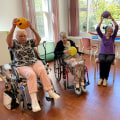
Encounters (visits) are defined to include documented, face-to-face contact between a user and a provider who exercises independent judgment on the provision. An interaction between a patient and a healthcare provider or providers for the purpose of providing health care services or evaluating a patient's health status. Encounter is primarily used to record information about actual activities that took place, while Appointment is used to record planned activities. An encounter with Home Care near Bayport MN is any interaction between a patient and a healthcare provider in which medical services, counseling, or treatment are provided and documented. The seventh character focuses on the patient's condition and the specific circumstances related to the treatment of the condition, not on the healthcare provider being treated. This means that the initial or subsequent encounter is based on the patient's course of treatment and not on whether it's their first visit or follow-up treatment with a provider. Encounters (visits) are defined to include documented, face-to-face contact between a user and a provider who exercises independent judgment on the provision. An interaction between a patient and a healthcare provider or providers for the purpose of providing health care services or evaluating a patient's health status. Encounter is primarily used to record information about actual activities that took place, while Appointment is used to record planned activities. An encounter with Home Care near Bayport MN is any interaction between a patient and a healthcare provider in which medical services, counseling, or treatment are provided and documented. The seventh character focuses on the patient's condition and the specific circumstances related to the treatment of the condition, not on the healthcare provider being treated. This means that the initial or subsequent encounter is based on the patient's course of treatment and not on whether it's their first visit or follow-up treatment with a provider.
Meetings are face-to-face contacts between a patient and a health professional for the provision of medically necessary services. The type of home care encounter is assigned to clients who are served by care providers at the client's home or place of residence. The meetings are codified by the Health Information Management (HIM) coding team to report to the Canadian Institute for Health Information (CIHI). Understanding the different types of healthcare encounters helps you prepare for appointments and know what to expect from the medical team.
This type of encounter is used only for record management and does not reflect an actual client who shows up for treatment. While claim data guarantees the accuracy of payments to providers who pay according to pay-for-service care models, meeting data serve the same administrative purpose as capitalized care models, both at the provider and plan levels of health. An encounter is more than just a healthcare visit: it's a structured interaction that documents your care, supports communication with providers, and drives the way health care is delivered and paid for. Customers returning to the emergency department for a series of treatments (intravenous antibiotics) will need to create a new, separate consultation for each visit.
For providers and hospitals that serve Californians with Medi-Cal, consultation data is one of the important pieces of information in determining payment. Although the SpecialCourtesy property can contain values such as VIP, the purpose of this field is to indicate the additional benefits that the patient could obtain during the meeting. Certain advances in care are restricted to some types of encounters and, therefore, in those cases, a new encounter must be created for the patient. The seventh letter “D”, meaning “subsequent encounter”, is used for encounters after the patient has received active treatment for the condition and is receiving routine care for the condition during the healing or recovery phase.
Non-billable meetings are visits where a patient and a health professional maintain face-to-face contact to provide services other than those mentioned above (i).