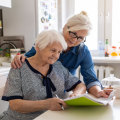
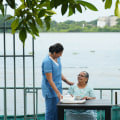
If a person with a disability is already receiving Medicaid, their state may allow a family member or friend to become a paid caregiver for Home Care near Indiantown FL. Many states call it a consumer-oriented personal assistance program. Each state has different requirements and rules. If a person with a disability is already receiving Medicaid, their state may allow a family member or friend to become a paid caregiver for Home Care near Indiantown FL. Many states call it a consumer-oriented personal assistance program. Each state has different requirements and rules.
And the amount the program pays you to care for a family member varies by state. Contact your state's Medicaid office for more information. It is legal and ethical for people with disabilities to be caregivers as long as they can safely and effectively support the needs of the person they are caring for. Legal requirements may require evaluations to be carried out to ensure the safety of the client and the caregiver.
In addition, it is important to be careful when determining if a caregiver with a physical or emotional disability is able to provide the required care without jeopardizing their own well-being. If the person you care for has a disability or chronic condition and is eligible for Medicaid, they may be eligible for financial assistance that can be used to purchase necessary services and supports at home and in the community, including payment to a family caregiver or to pay for a break. These programs are sometimes referred to as cash and counseling programs, consumer or self-directed programs, or other names selected by the state. All states, except South Dakota, have Medicaid programs that allow for the provision of self-directed services.
The question of whether a person with disabilities is competent and eligible to be a caregiver depends on multiple issues. The problems and reasons for determining competence and eligibility are understood taking into account the parameters. Individual providers, or IPs, are people who provide home care to another person, a customer, who is eligible for Medicaid home care services. According to the Bureau of Labor Statistics, the employment of home health and personal care aides is expected to grow much faster than the average of all occupations.
These challenges can be particularly acute for people with disabilities who act as caregivers, increasing the need for appropriate support and recognition. Understanding these programs and their specific requirements is essential for caregivers seeking financial support while caring for disabled family members. If you're considering options for providing care, consider how personal care services in Honolulu can help both caregivers and people in need. The person who needs care must be eligible for long-term Apple Health (Medicaid) services and supports before they can receive care at home.
This site can also help you find your local aging agency to find additional breaks and supports for caregivers provided through the Family Caregiver Support Program, if the person you are caring for is older than 60 or has Alzheimer's disease and is of any age; if you are a grandparent aged 55 or older caring for a child; or if you are a parent or other family caregiver age 55 or older who cares for an adult child with a disability. To qualify, the person who needs care must be eligible for Medicaid, need 24-hour care and supervision, and need the help of a caregiver who has one or more daily personal care needs (i. This includes relevant work experience in roles such as a home health aide, nursing assistant or personal care assistant). These strict labor standards clash with the reality on the ground for many Americans, since disability benefit is not enough to survive due to the rising cost of living and the need to provide care services to friends and family when they need them, regardless of the impact on a person's disability benefit. This includes older people who need help with mobility and personal care, and people with disabilities who require specialized care.
Interpersonal skills, such as interpersonal skills, empathy, and communication skills, are crucial for caregivers to provide compassionate and effective care. Home health and personal care aides may need to meet specific state requirements, such as having a license or certification, which may include training, background checks, and state-specific aptitude tests. It is essential that disabled caregivers continue to maintain their own health, dedicate themselves whenever possible and maintain ongoing medical treatment with their own doctors and medical service providers. This includes older people who need help with mobility and personal care and people with disabilities who require specialized care.